> For the complete documentation index, see [llms.txt](https://docs.zipy.ai/llms.txt). Markdown versions of documentation pages are available by appending `.md` to page URLs; this page is available as [Markdown](https://docs.zipy.ai/product-features/page-performance.md).
# Page Performance
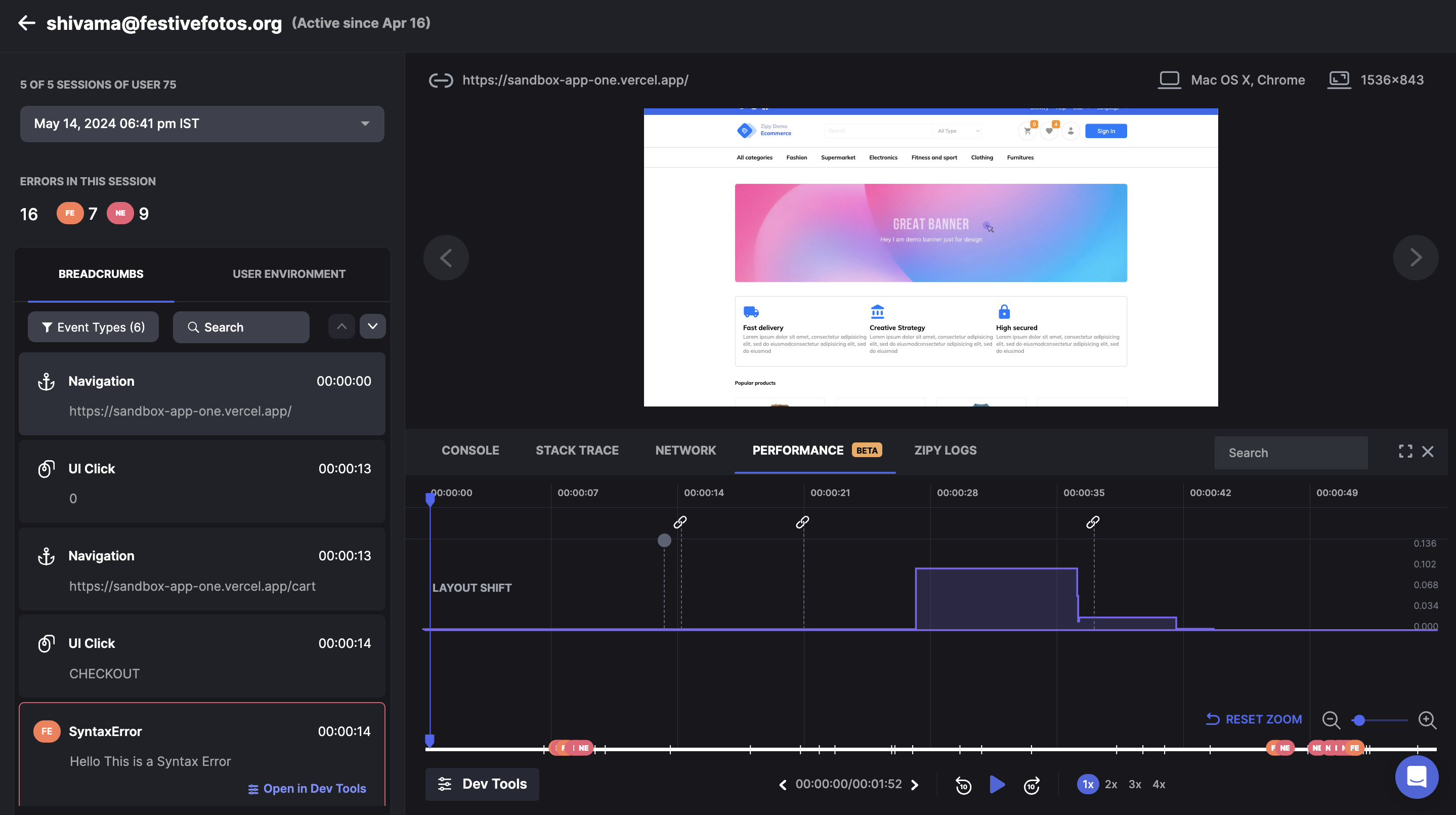
Zipy captures all important web vitals related to the performance of a page from your application.
Find the various important aspects of page performance like FCP, FP, LCP, FID, Load time, CLS.
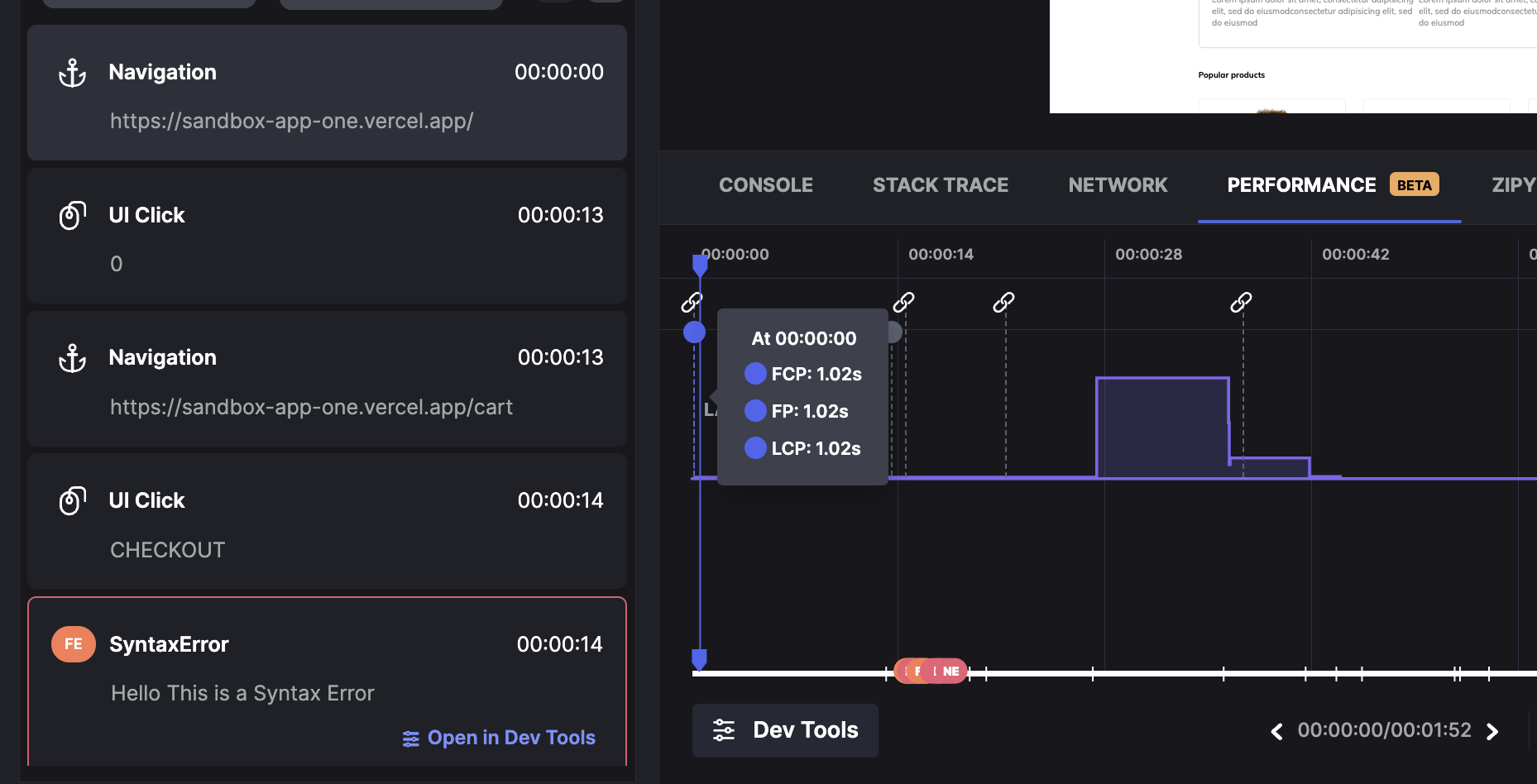
### FCP, FP, LCP
1. **First Contentful Paint (FCP)**:
FCP measures the time from when the page starts loading to when any part of the page's content is rendered on the screen. It indicates how quickly users can begin to consume content.
2. **First Paint (FP)**:
FP marks the time when the first pixel is rendered on the screen, signaling the start of the page loading process. It provides an initial indication of load performance.
3. **Largest Contentful Paint (LCP)**:
LCP measures the time from when the page starts loading to when the largest text block or image element is fully rendered within the viewport. It reflects the perceived load speed of the main content.
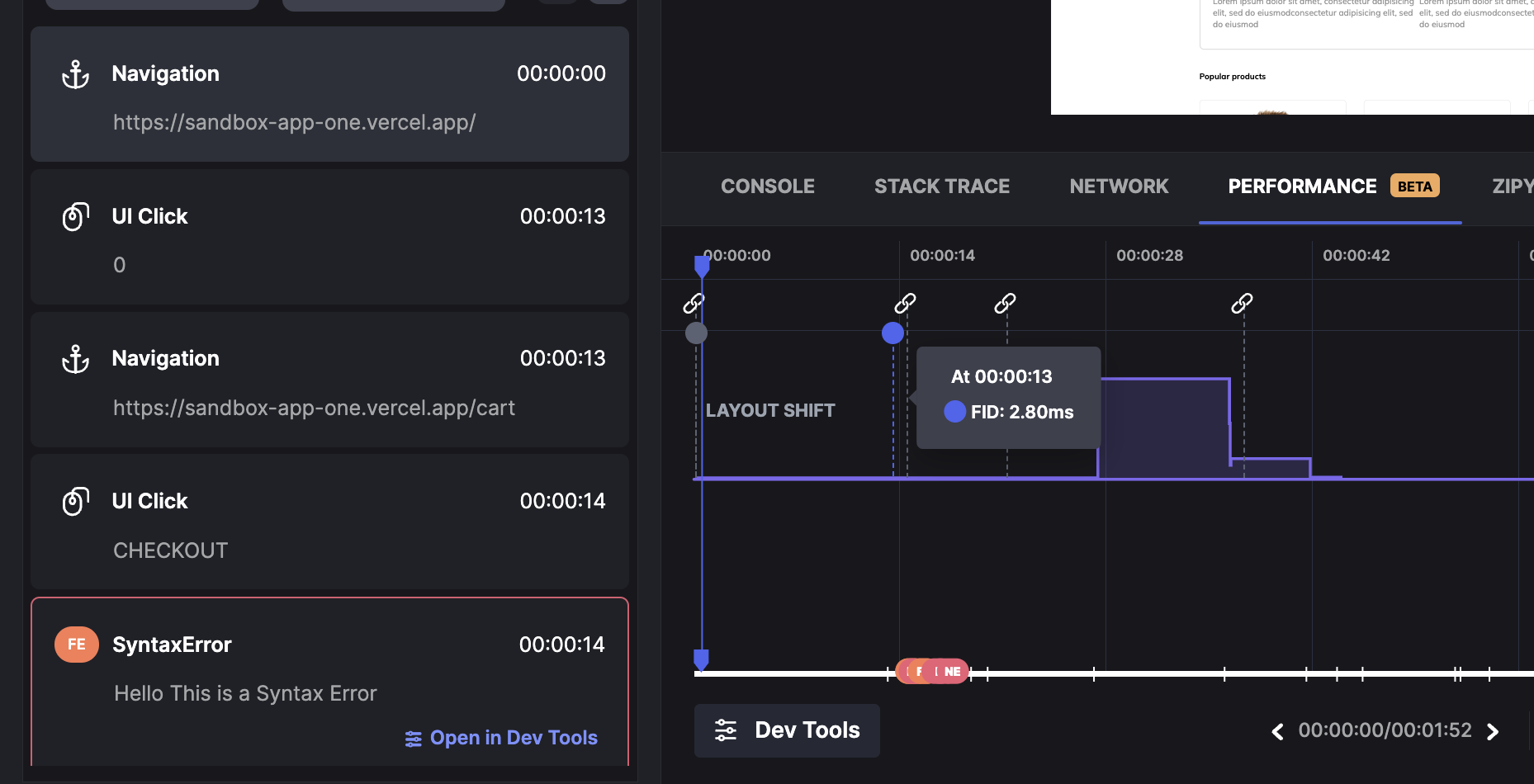
### FID
FID quantifies the delay between the user's first interaction with a page (e.g., clicking a button) and the browser's response to that interaction. It is a key metric for measuring responsiveness and interactivity.
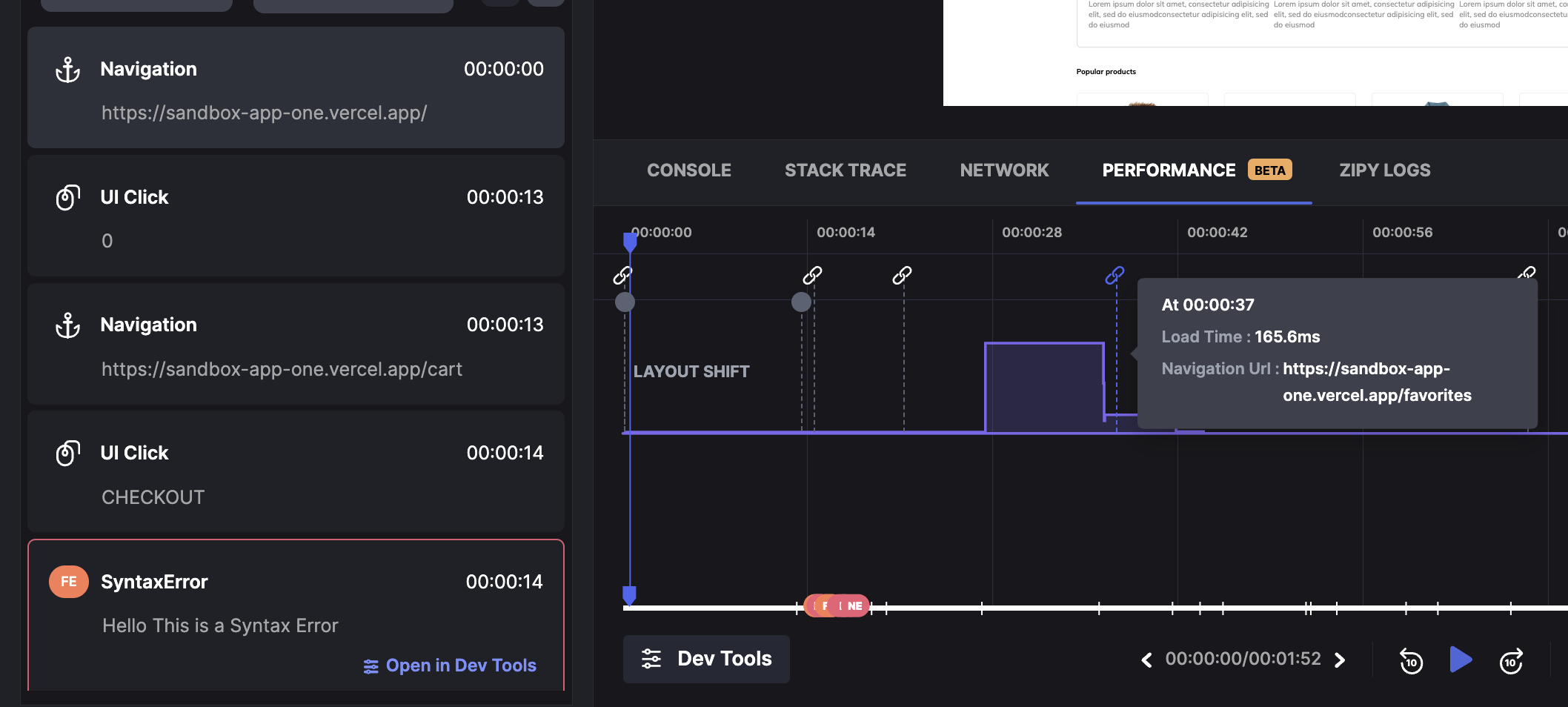
### **Load Time**
Load time is the total duration from the start of the page load to the completion of all elements on the page. It determines how quickly users can fully interact with the page's content.
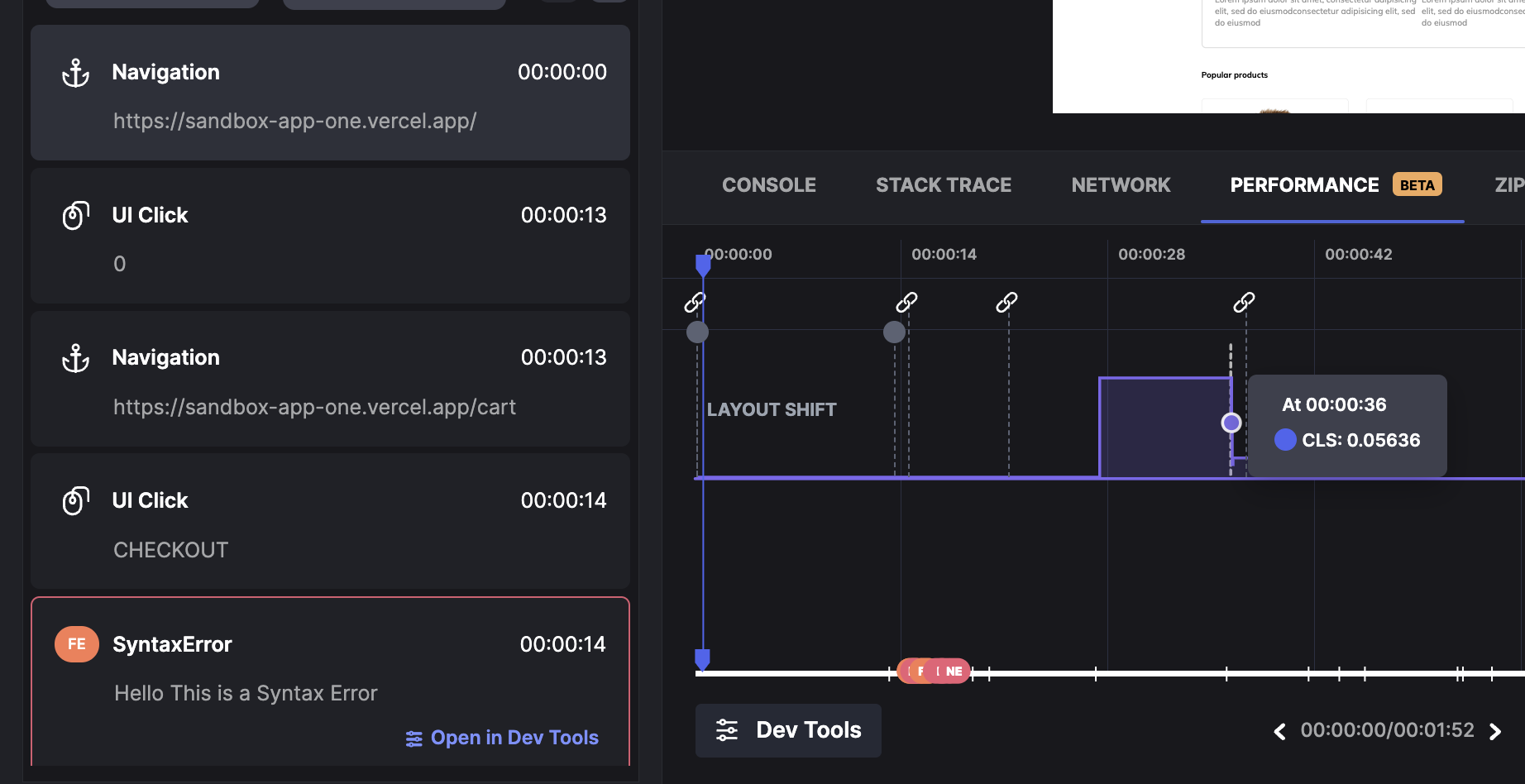
### CLS
CLS measures the total of all individual layout shift scores for unexpected layout shifts that occur during the entire lifespan of the page. It helps assess the visual stability of a webpage and reduces user frustration from content shifting unexpectedly.